

The Most Common Financial Mistakes Creative Businesses Make: The Delaware C Corp

By Paco De Leon

Welcome to our series where we’re exploring the most common financial mistakes creative business owners make and how to avoid them. In this post, we’re exploring the myth of the Delaware C Corp and how we’ve seen it cost clients multiple tens of thousands of dollars.
Pre-script: I’m not an accountant and this isn’t tax advice. Make sure to talk to your tax professional.
Should set up my company to be a Delaware C Corp?
“I’ve heard that it’s the best thing to do.”
I can’t remember the first time someone asked the Delaware C corporation question, but I remember being so surprised at how common of a question it’s become.
I won’t bury the lede. For most creative small businesses, a Delaware C Corp is most likely not for you. Before we dig into the why, let’s address how the Delaware C Corp became so ubiquitous in the world of business.
Why a Delaware C Corp?
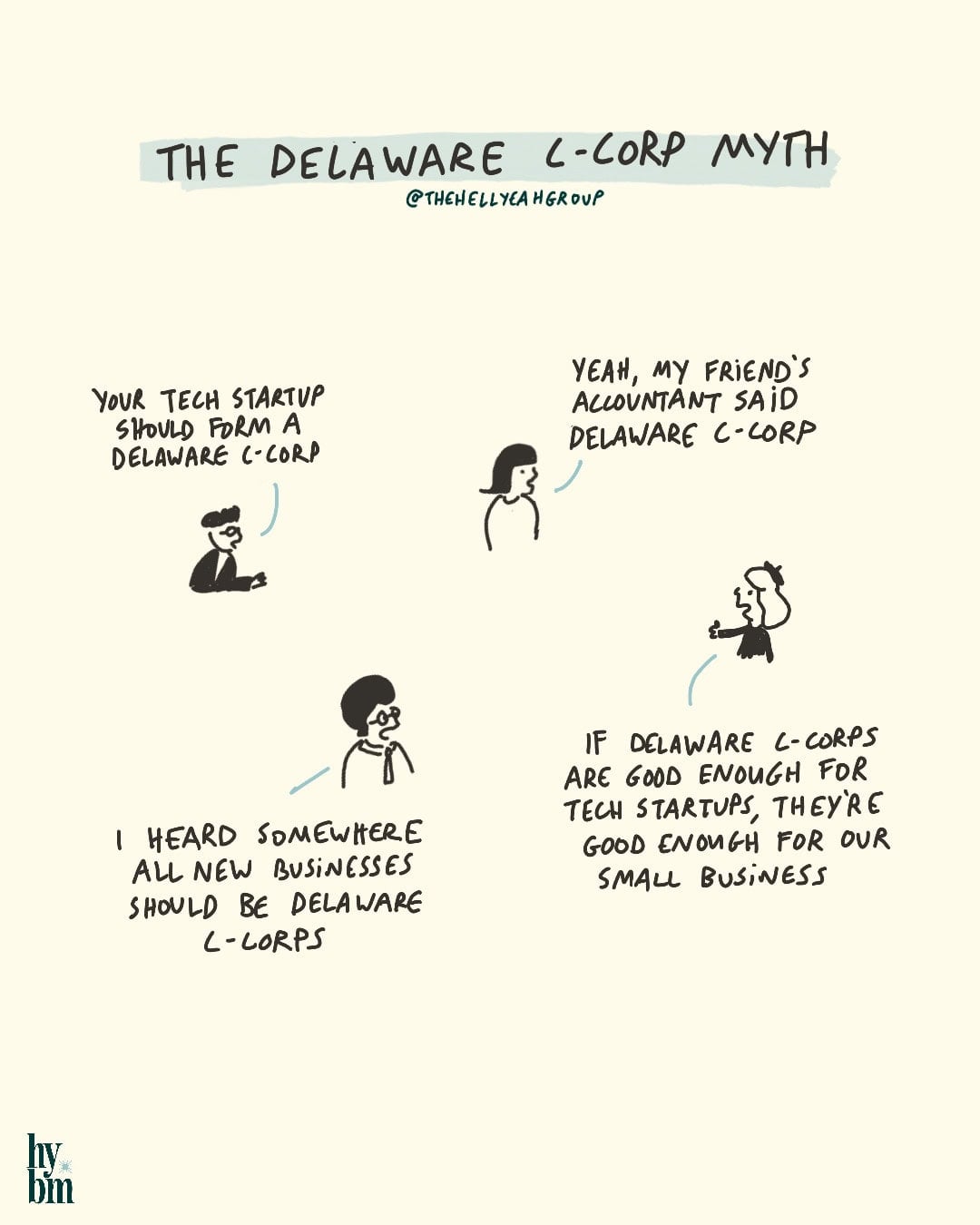
It’s very common advice for tech start-ups looking to raise money via venture capital (VC) investment to set up their companies as Delaware C-Corps.
The main reason is that the laws in Delaware provide better privacy, simpler management rules, and established legal precedents that investors simply prefer. At this point, it’s an expectation that many investors have.
The Delaware C Corp is so ubiquitous in the startup world, that it’s likely that many folks think, it should work for any business. Which isn’t the case. Startups are different than small businesses and their structures should reflect that.
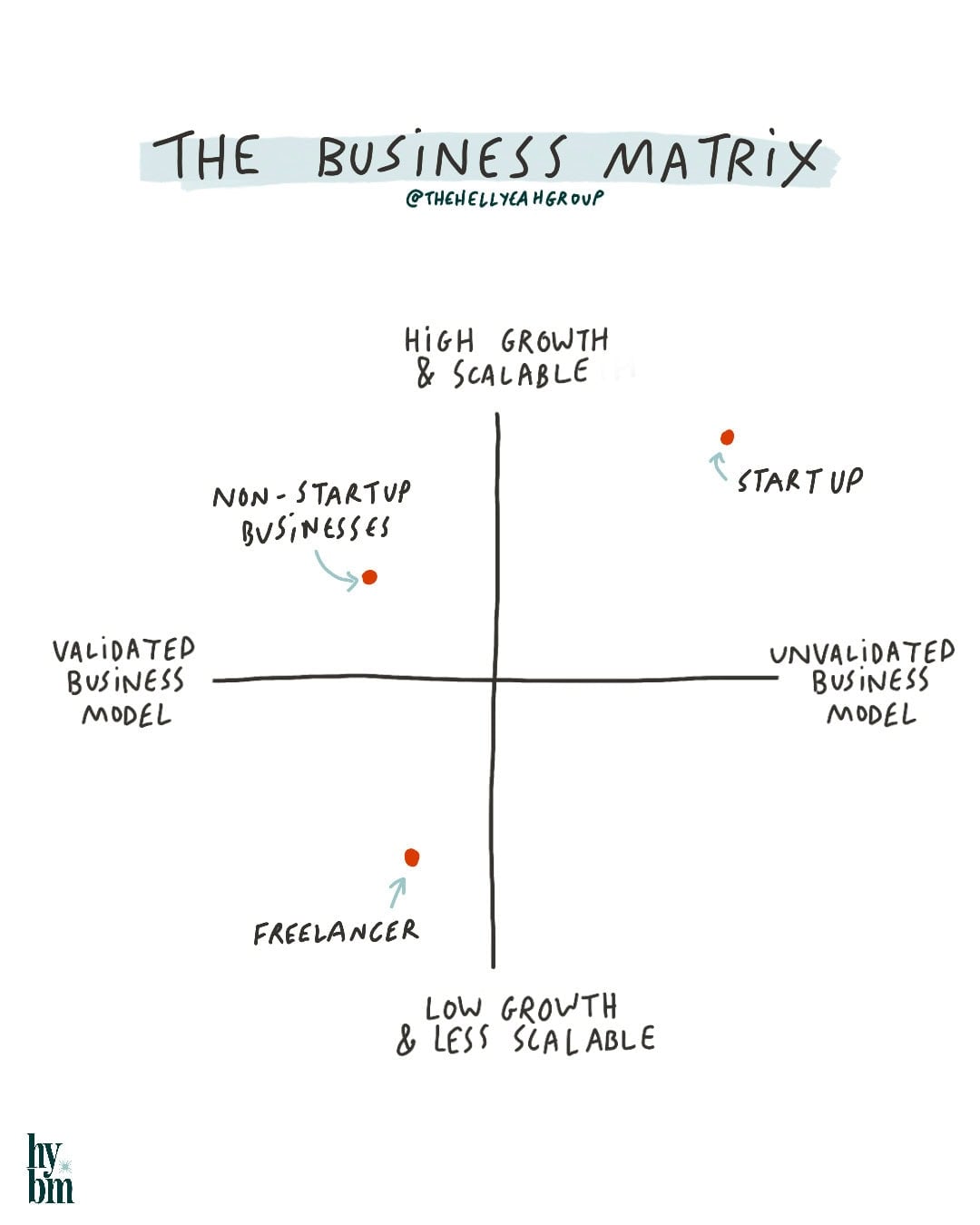
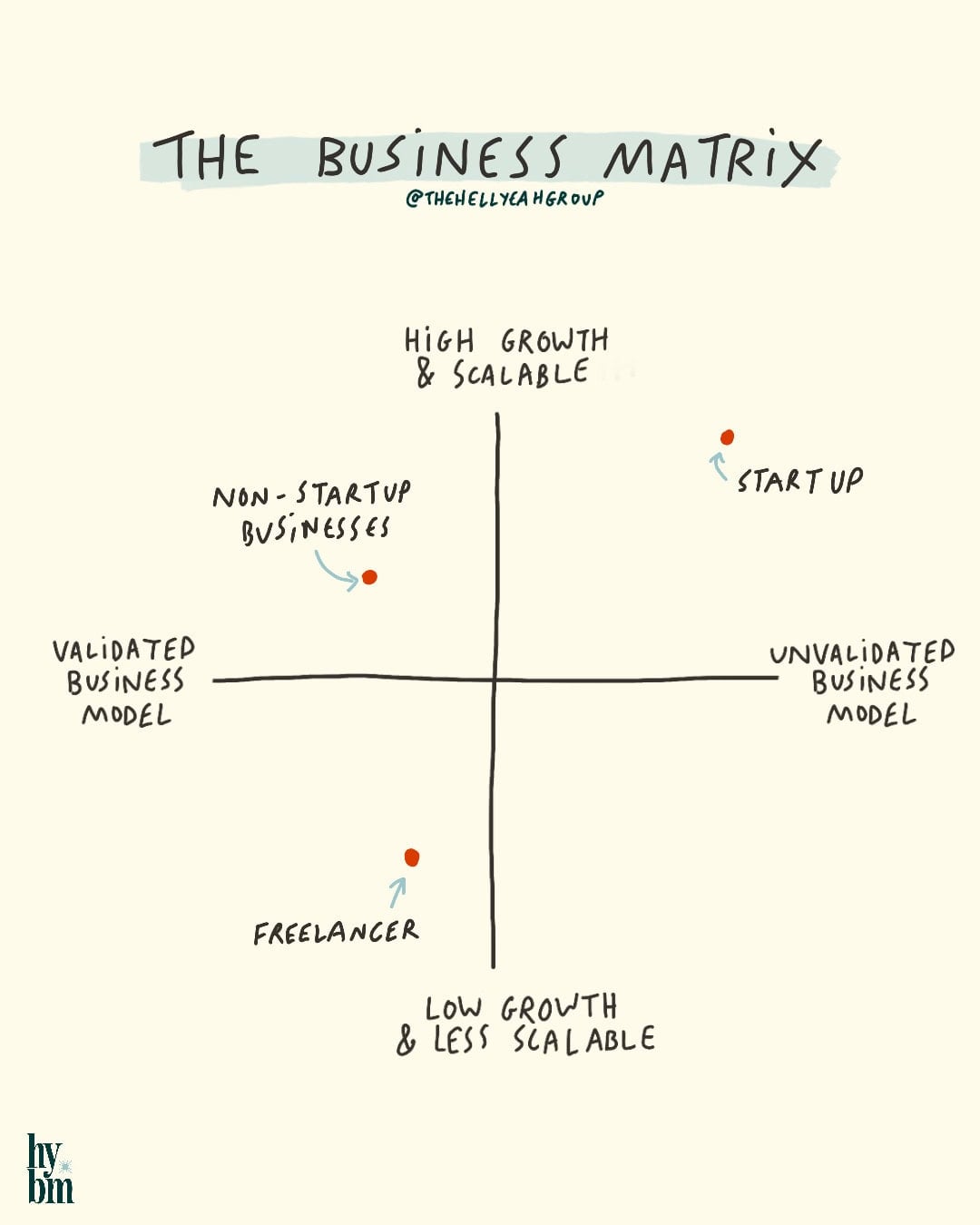
Startups Vs Small Businesses
Another reason why the Delaware C Corp seems so ubiquitous could be that people misinterpret the word’ startup’ to mean any new business that’s just starting up.
But there’s an important distinction: startups are designed for rapid growth with the goal of eventually being acquired or going public, while most small businesses (especially creative ones) are built to provide sustainable income for their owners over the long term.
This fundamental difference in business models is why the legal structures that serve tech startups well often create unnecessary complications and tax disadvantages for creative businesses.
How a Delaware C Corp Was a Costly Mistake for a Client
Last year, we started working with a relatively new advertising agency. The partners came together with impressive resumes, portfolios, and industry contacts. Within the first six months, they were making a lot of money and growing very quickly.
And for some reason, the accounting team they worked with before us recommended that they set up their company as a Delaware C Corp. As soon as we began working together, one of our first recommendations was to restructure the entity.
We suggested moving the registration to the state the partners lived and worked in and that a pass-through entity (an LLC, S Corp or S Corp taxed as an LLC), might be most tax-efficient and appropriate structure.
We got advice from their accountants, divvied up the paperwork filing duties and got the filings in for the next calendar year.
In the end, the Delaware C Corp structure has ended up costing our clients multiple five figures in taxes. The flip side to that is that setting up the right structure will save them multiple five figures in taxes going forward.
Why Is It So Costly? What should you set up instead?
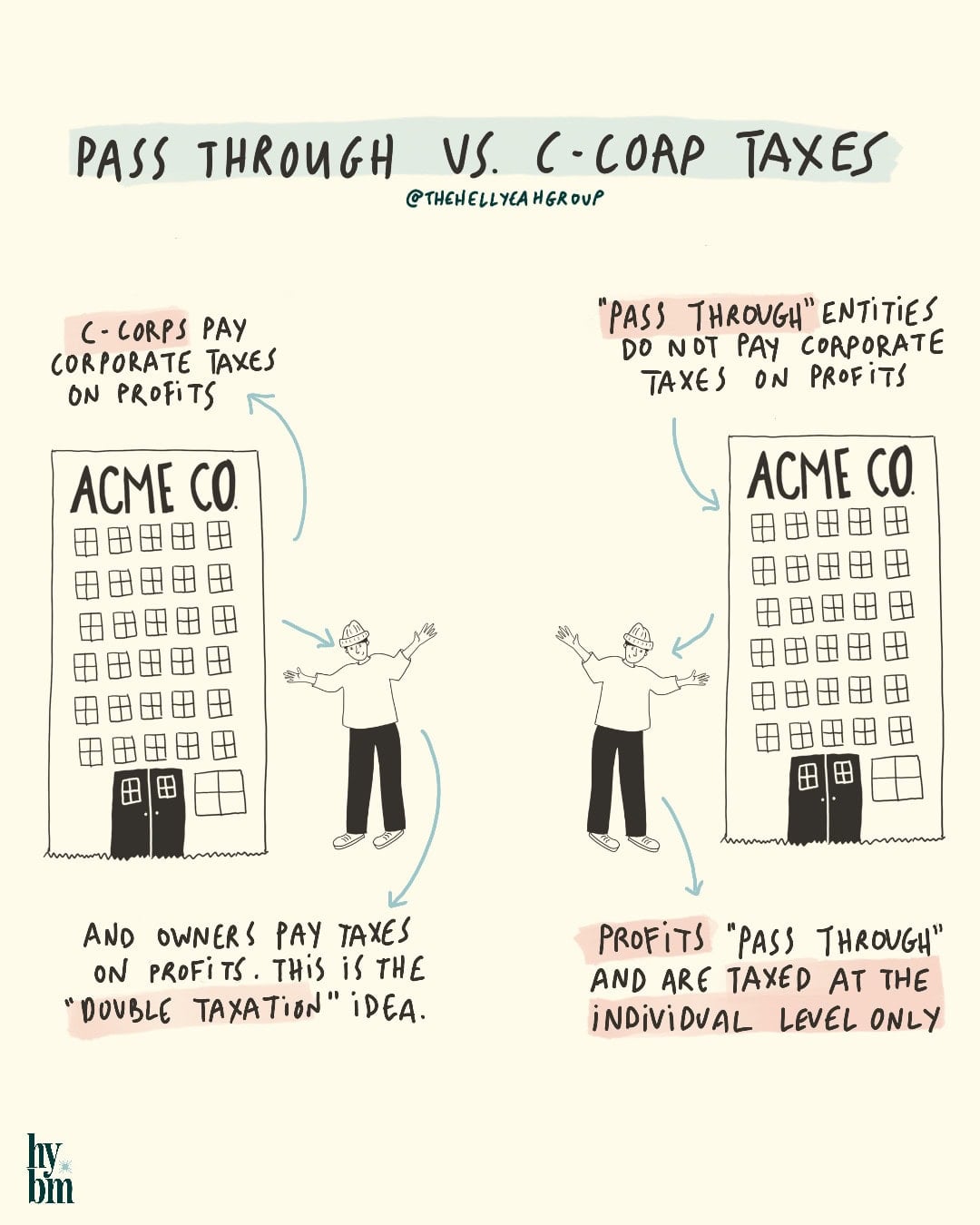
At it’s core the big, costly difference is between how C Corps are taxed versus pass-through entities, like S Corps and LLC.
The C Corporation itself pays taxes. Then any income paid to employees is then taxed at that employee level. So we can view this as two layers of taxes. First, at the entity level, then at the personal level.
With a pass-through entity, the LLC or S Corp does not pay any sort of entity taxes. Any profits that the company realizes will “pass through” (hence the name) to the owners, partners, shareholders, etc. And those individuals will pay taxes at the personal level.
Calculate Your Tax Savings: Entity Comparison Tool
Use our calculator below to explore different tax entities and their tax implications. You can also click here to open the calculator in a new window.