

Year-End Tax Planning: How to Do It And Why You Should

By Paco De Leon

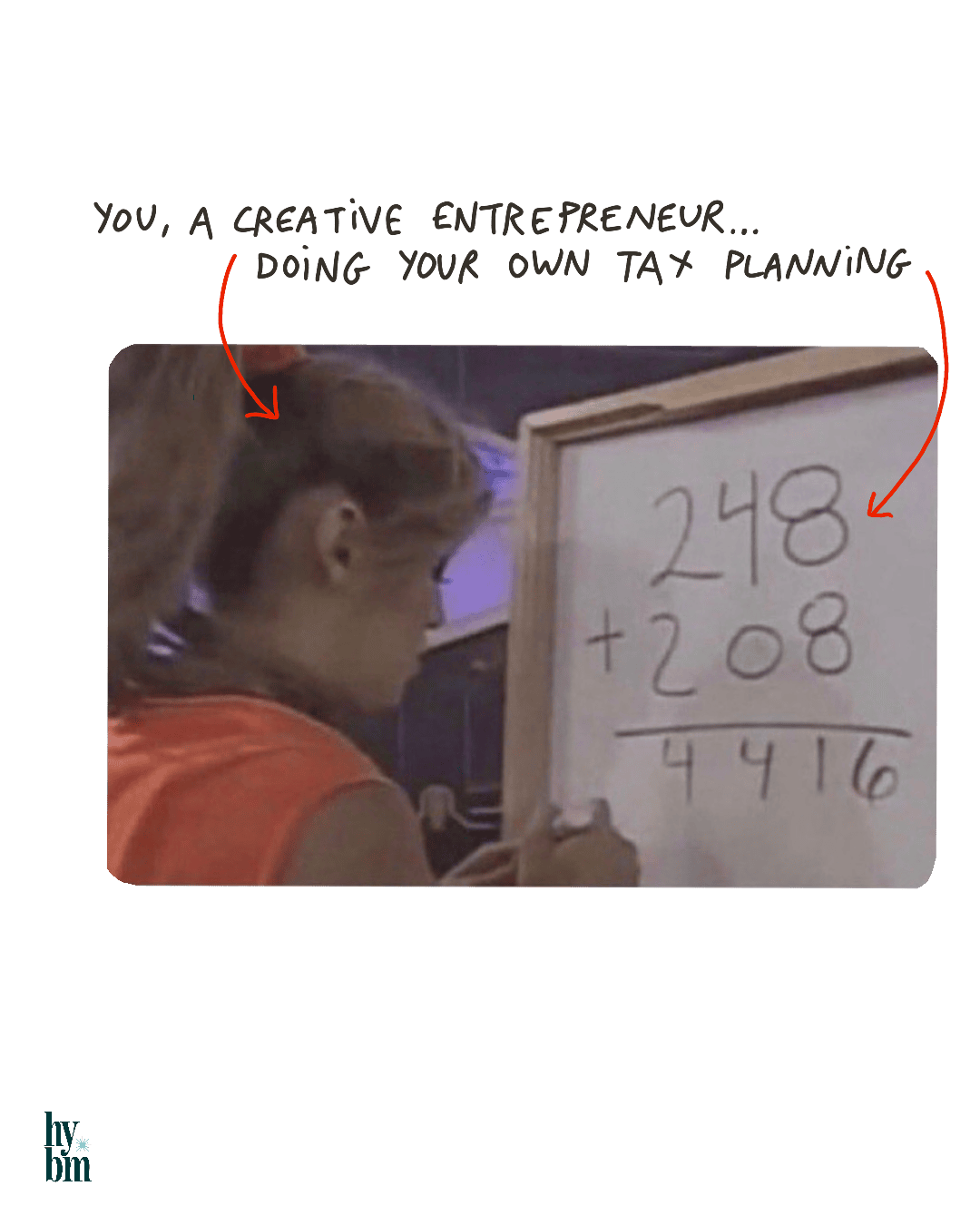
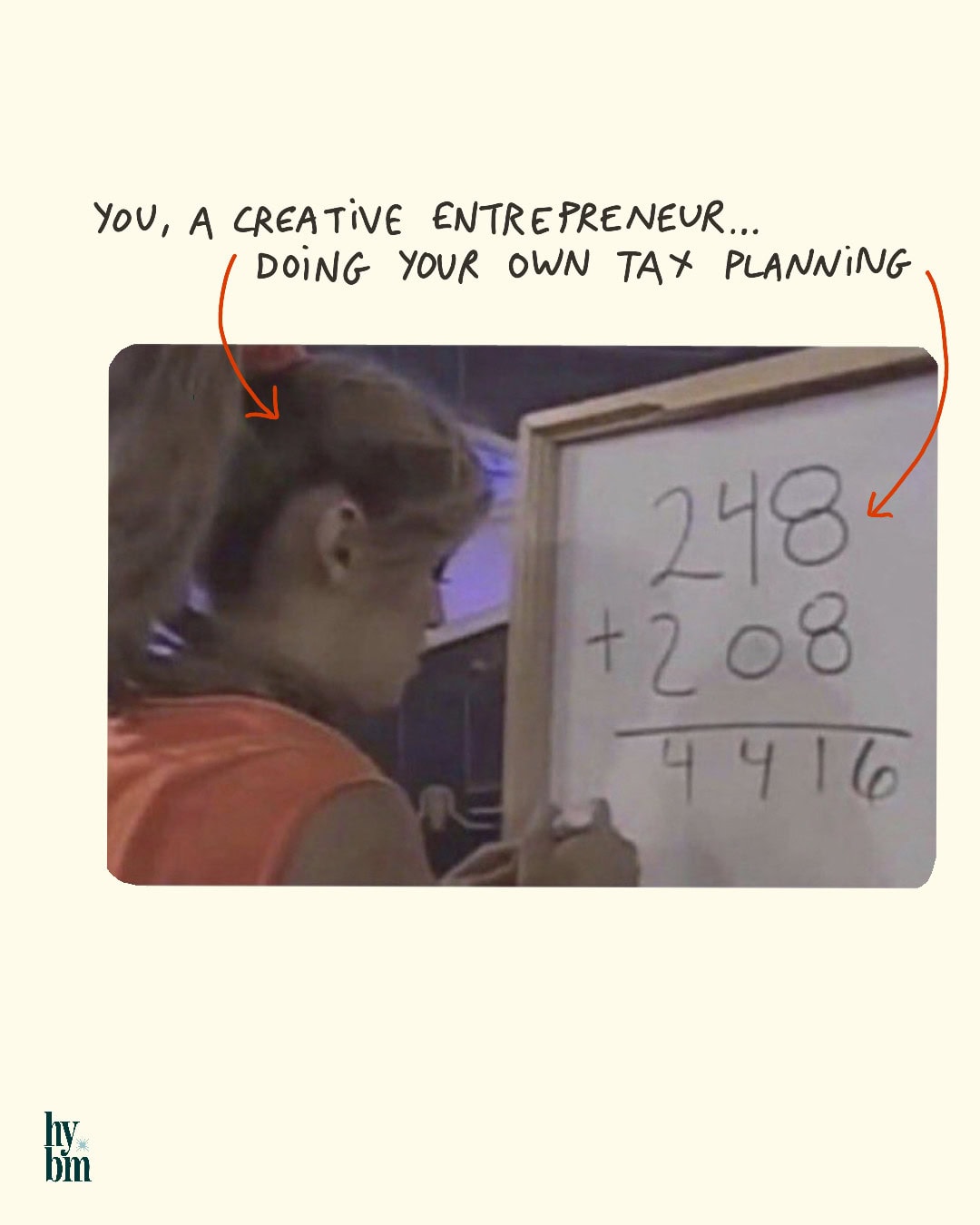
Hello, fellow small business owner. Before we delve into the always-thrilling topic of not just taxes, but tax planning, let it be known that I am neither an accountant nor a tax advisor. I do, however, know enough to be dangerous to myself and others. Lastly, this is absolutely not tax advice. It’s advice on how to get tax advice, if you can believe it.
Here are all the questions this article will answer.
- What is tax planning?
- Who needs tax planning?
- When do you need to do tax planning?
- Where do you do tax planning?
- Ok, geez, I get it. I need tax planning. How do I go about this?
- Why do you need tax planning (in case all the answers to the above questions don’t answer that for ya)?
- Can you help me with tax planning?
What Is Tax Planning?
Tax planning is at minimum an annual meeting with your accountant (aka CPA aka EA aka tax person) where you review your finances from a tax perspective.
In other words, your accountant reviews your taxable income and your deductions and other sorts of tax-code sorcery like credits and new tax laws that impact how much you owe in taxes.
The point of tax planning is try to understand, who much you will owe in taxes and figure out the best plan to pay them. And of course, for most folks, your accountant’s job will be to help facilitate this and also to actually file your taxes for you.
Who Needs Tax Planning?
While nearly anyone who files taxes could benefit from tax planning, it’s most important for anyone with any sort of tax complexity to partake in the thrilling sport of tax planning. Who are these lucky folks? Anyone who has multiple revenue sources (like income from investments, distributions from ownership in a business, and anything really in addition to traditional W2 wages). Tax planning is especially helpful for the self-employed and small business owners among us.
Let’s look at an example.
Jasper owns and runs a cookie cart outside of a beautiful local museum.
They employ four wonderful cookie-loving employees who work part-time. Their business did well this year after a brain-rotted-social-media-addicted young person helped bring awareness to their cookie cart. They are thinking about buying another cart for a second location, and the cookie cart company is set up as an S corporation.
Do you think Jasper needs tax planning? They sure do. But why?
Well, Jasper is a small business owner. And when it comes to filing taxes, a business owner has the great advantage, albeit with the headache, of leveraging the U.S. tax code. Leveraging the tax code means that Jasper has lots of write-offs (AKA business expenses, AKA business deductions) they can use to reduce their taxable income. And if Jasper is serious about purchasing a new cookie cart this year, they should talk to their accountant before the year ends to find out how this may or may not impact their tax situation for this year.
Even a freelancer could benefit from a short tax planning meeting with their accountant to make sure they are maximizing their deductions and not missing any other sort of opportunities, like maxing out or setting up a retirement plan or setting up an S-corp to help reduce the burden of self-employment taxes.
When Do You Need To Do Tax Planning?
At minimum, once annually, around November and December. Yes, in case you weren’t aware of it, the holidays is not just a joyous time of merriment because of all the gatherings and celebrations of the human wintertime festival. It’s also kind of a pre-season for tax season. As if this time of year couldn’t get any better, right? How lucky for all of us, but most especially, accountants (be nice to them, please).
Yes, this timing matters because you’ll have between 10 and 11 months of real financial data to give your accountant. For the remaining data, you’ll give your accountant an estimate or projection. Practically, it looks like this:
Scenario 1:
My accountant: I took a look at your QuickBooks and I’ve reviewed all your financial statements to see how much your business earned, what you spent and how much you’ve paid yourself.
Me: Great!
My accountant: Since today is November 30, what do you think December will look like.
Me: It will pretty much look like the average of the last 11 months.
My accountant: Great, I’ll punch those numbers in and we can look at a tax projection.
Scenario 2:
My accountant: Since today is November 30, what do you think December will look like.
Me: It will look similar to last December.
My accountant: Great, I’ll punch those numbers in and we can look at a tax projection.
Scenario 3:
My accountant: Since today is November 30, what do you think December will look like.
Me: I am amazing and a client will be paying me $500,000 tomorrow.
My accountant: Hmmm… that much income in December will have a big impact on your tax bill come tax day. Let’s talk about all your options.
Where Do You Do Tax Planning?
If you and your accountant are old school, maybe you meet at their office? If they’re fun and whimsical, maybe you meet at a Panera Bread. Most likely, you’ll send emails or upload your data online and then either hop on the old horn (the phone for any youths reading this) or do your 7,000th Zoom call of the year.
How Do You Do Tax Planning?
Here’s how you do tax planning in 4 easy steps.
- Reach out to your accountant to request a year-end tax planning meeting.
- Prepare all the data they’ll need and send it to them. Here’s what they’ll likely need:
- Your year-to-date financials and/or access to your bookkeeping software
- Your year-to-date pay stubs (if you have W-2 income)
- If you are filing with your partner, you’ll want to include their business and/or personal income details as well
- Any projections or estimates for the remaining months of the year
- Information about any major purchases, investments, or significant financial changes you’re planning before year-end
- Details about retirement account contributions you’ve made or plan to make
- Information about any estimated tax payments you’ve already made
- Any major changes in your life like,
- Getting married or divorced
- Having a child or adopting
- Buying or selling a home
- Starting or closing a business
- Major changes in income (job loss, promotion, new business venture)
- Moving to a different state
- Receiving an inheritance or large gift
- Significant medical expenses
- Meet with your accountant
- Here are some questions I typically ask during my tax meetings, but yours may vary based on your tax situation:
- How much payroll should we run this year and how much of that will be paid into payroll taxes?
- How much do you think I will owe in taxes total? Can you breakdown these numbers for me?
- What if I make additional contributions to my 401k plan, how will that impact my tax liability?
- And then questions about some write-offs typically.
Why Do You Need Tax Planning?
I think all of the words up until this point have explained this. But in case you missed it, tax planning helps you understand how much tax you’ll owe and if there are any strategies you can exercise to reduce your tax bill.
Can You Help Me with Tax Planning?
For the 2025 tax season that is coming to a close, we aren’t offering any year-end tax planning services with a tax advisor. However, we plan to launch them by the 2026 tax year. So if you’d like to get informed about when we launch these services, make sure you sign up to get notified.